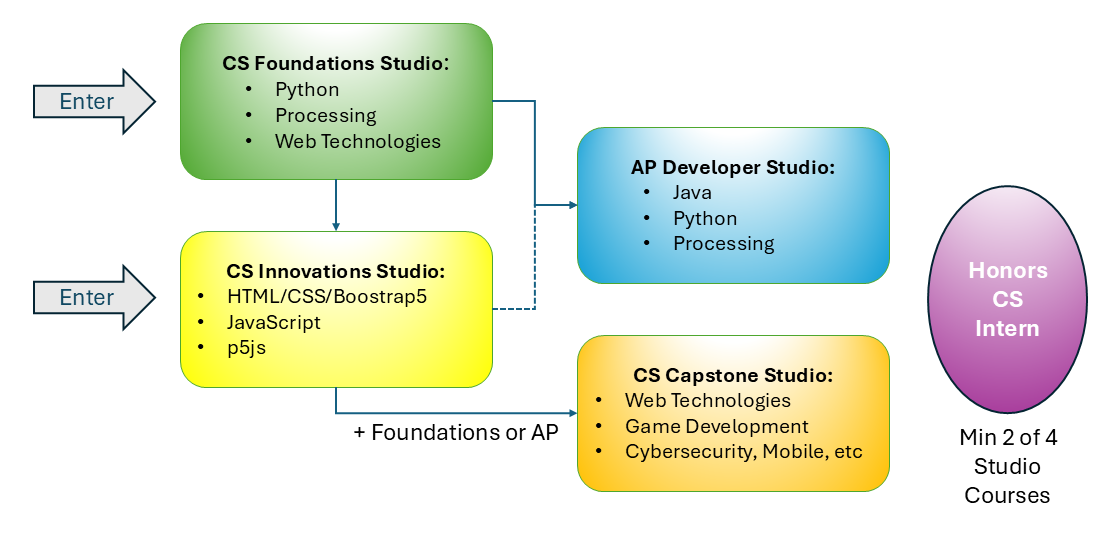
Course Pathway Flowchart
Our course sequence offers flexible pathways for all learners—from students seeking creative expression through web development to those preparing for rigorous AP Computer Science challenges.
Integrating AI, Breaking Boundaries, Building Futures
Computer Science Course Catalog 2026-2027
Our Vision: To create a professional-grade computer science experience that mirrors real-world development practices, where students learn through AI collaboration, teacher-guided instruction, peer interaction and artistic expression through coding.
Our computer science program embraces a revolutionary "AI-First Learning" philosophy that prepares students not just for today's technology landscape, but for tomorrow's innovations.
Through our "Continuum Approach to Computer Science Education," students experience seamless progression across multiple programming languages and platforms, building expertise that mirrors professional development environments.
CodeHS • GitHub Copilot • Visual Studio Code • TechNoviceTools.com • Processing.org • Magic School • W3Schools
Students master the art of collaborating with artificial intelligence tools like GitHub Copilot and Magic School, leveraging AI as a learning tutor while developing critical thinking skills to analyze, refine, and truly understand technological solutions.
Our pioneering S.P.A.R.K. framework (Set Goals, Prompt, Analyze Response, Refine, and Know) ensures students don't just consume knowledge—they create it, share it, and teach it to peers through structured collaborative sessions.
Our 'studio' courses emphasize immediate visual feedback and creative expression. Students see their code come alive through graphics, animations, games, and web applications, making abstract concepts tangible and engaging.
Selected student work is published on our custom platform, TechNoviceTools.com. These web applications showcase growth from first programs to sophisticated applications and provide fodder for future projects and upgrades.
Students use industry-standard tools including Visual Studio Code and GitHub, graduating with skills that translate directly to college computer science programs and technology careers.
All our studio classes integrate topics and skills from various areas of mathematics and science. TechNoviceTools.com hosts scores of application examples developed through many years of training.
Our course sequence offers flexible pathways for all learners—from students seeking creative expression through web development to those preparing for rigorous AP Computer Science challenges.
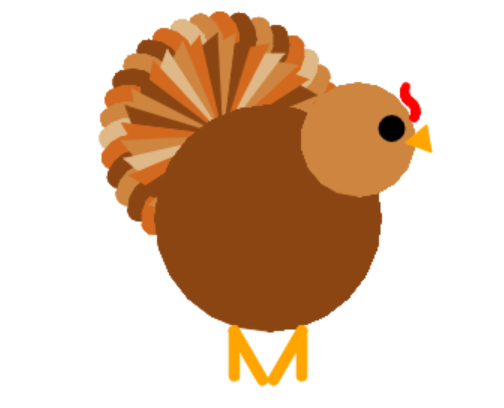
CS Foundation Studio introduces students to the art and science of programming through immediate visual feedback and creative expression. This course establishes essential computational thinking skills while preparing students for advanced computer science study.
Students master Python3 and Turtle Graphics along with Processing.py. Web integration opportunities embed Python directly into webpages which are then published on TechNoviceTools.com.
Students develop mastery in variables, functions, and conditionals through creative projects, while exploring loops and iteration patterns that generate complex visual effects. Basic data structures become tools for organizing artistic elements, and event-driven programming creates responsive, interactive experiences.
Through our S.P.A.R.K. framework, students learn AI prompt engineering basics, collaborating with AI agents to accelerate learning while developing critical analysis skills. Students share discoveries in seminar-style sessions, teaching peers what they've learned through AI collaboration.
CS Foundation Studio provides ideal preparation for AP Computer Science A (in Java), introducing Object-Oriented Programming concepts through visual projects while building logical thinking and problem-solving skills essential for advanced computer science study.
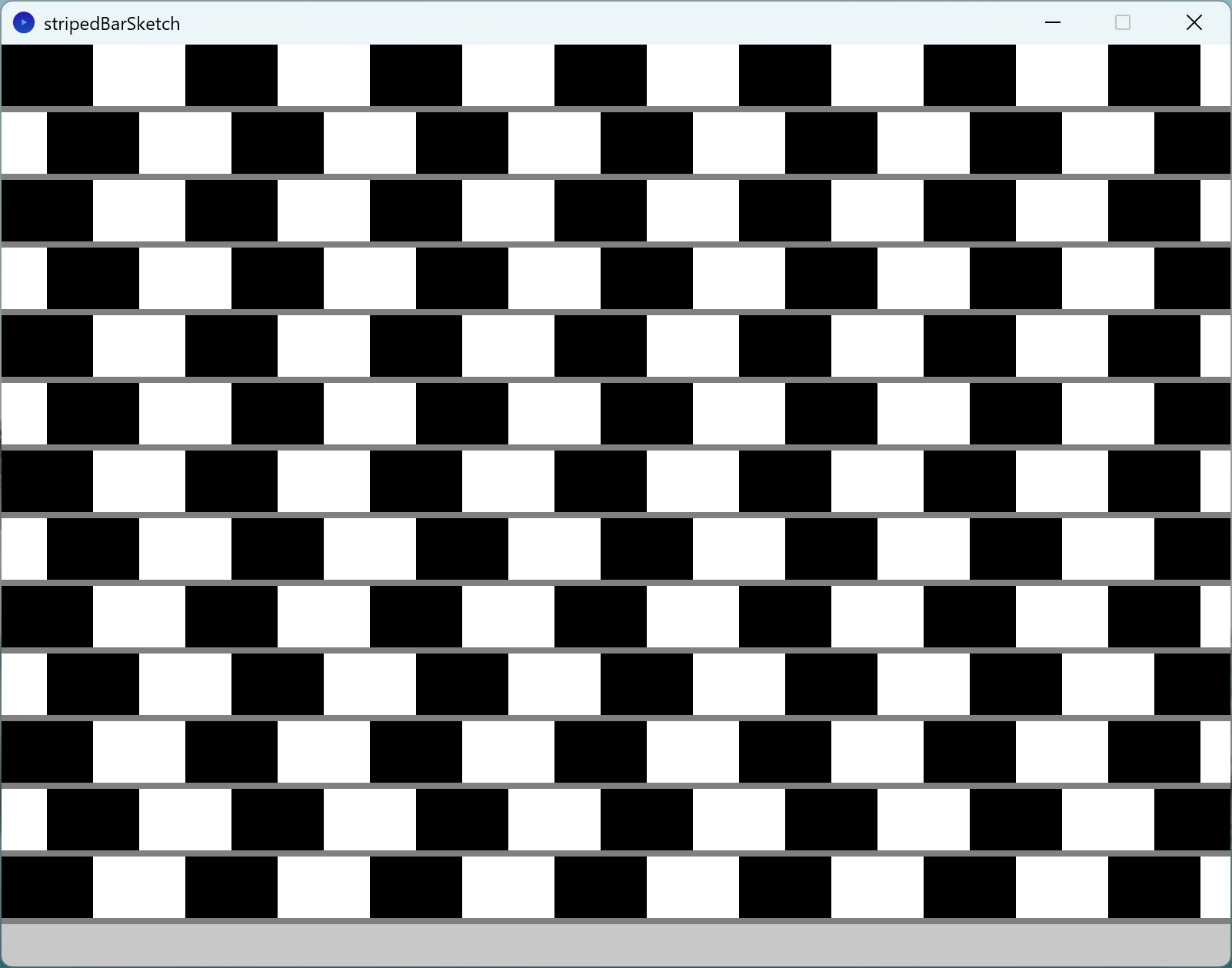
AP Developer Studio: Java prepares students for the rigorous College Board Advanced Placement Computer Science-A examination while maintaining our program's commitment to visual learning and AI-enhanced collaboration. This course bridges creative programming foundations with formal computer science theory.
Students master Java programming within the official AP Computer Science-A subset, with strategic comparisons to Python3 concepts learned in CS Foundation Studio. While visual elements play a secondary role in AP curriculum requirements, Processing.org provides occasional visualization opportunities to reinforce abstract algorithmic concepts.
The course covers the complete College Board curriculum including object-oriented programming principles, selection and iteration, data collections and structures (arrays, ArrayLists, 2D arrays), algorithm analysis, recursion, and ethical computing practices. Students engage in standard AP topics including sorting algorithms, searching techniques, and computational complexity while preparing for the comprehensive AP examination in May.
Building on CS Foundation Studio's Python experience, students explore language syntax differences, design pattern similarities, and problem-solving approaches across programming languages. This comparative methodology deepens understanding while leveraging prior knowledge from visual computing projects.
Through our S.P.A.R.K. framework, students collaborate with AI agents to generate practice problems, explain complex algorithms, and develop debugging strategies. Seminar-style sessions focus on AP-style problem analysis and solution articulation, preparing students for both multiple-choice and free-response examination sections.
This course provides rigorous preparation for college-level computer science coursework, with successful AP examination performance potentially earning college credit. Students develop the analytical thinking and programming proficiency expected in university computer science programs.

CS Innovations Studio empowers students to create professional-quality, interactive web applications through mastery of modern web development technologies.
Students master the essential web development stack: HTML5 for content structure, CSS3 for visual design, Bootstrap5 for responsive frameworks, and JavaScript with p5.js for interactive graphics and animations. This integrated approach mirrors real-world web development workflows.
Students develop industry-relevant competencies including mobile-first responsive design, accessibility best practices, and API integration basics. Projects emphasize user experience (UX) principles, performance optimization, and cross-browser compatibility - skills essential for competitive advantage in today's job market.
Through our S.P.A.R.K. framework, students collaborate with AI agents to generate design ideas, debug code, optimize user interfaces and receive 'tutoring' in areas of need.
Selected projects will be published live to TechNoviceTools.com, creating an impressive digital portfolio showcasing growth from basic HTML pages to sophisticated interactive web applications.
This course provides essential skills for web development careers, digital marketing, UI/UX design, and any field requiring strong digital communication abilities. Students graduate with a professional web presence and technical skills directly applicable to internships and entry-level positions.
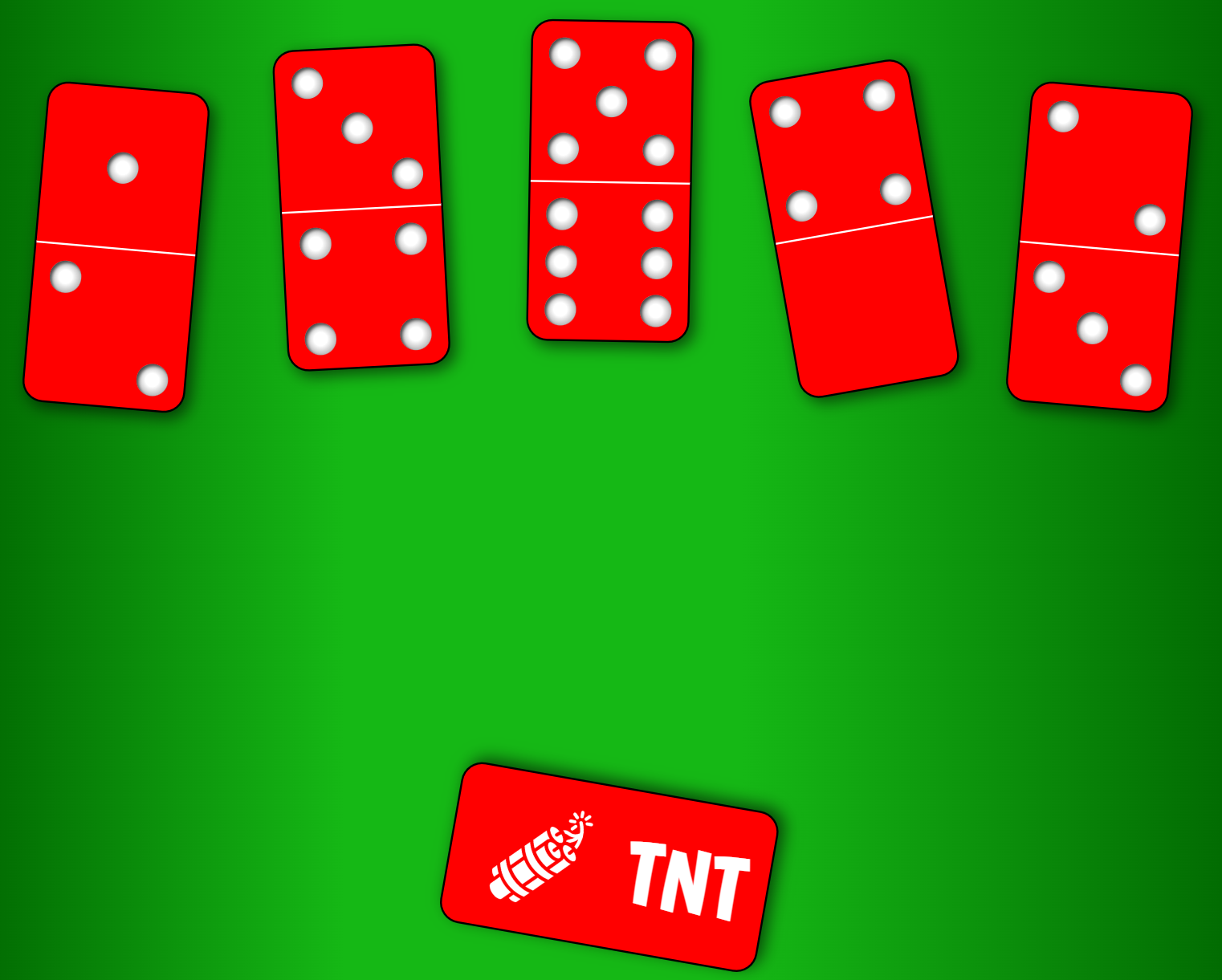
CS Capstone Studio represents the pinnacle of our computer science program, where advanced students synthesize knowledge from multiple programming languages and platforms to create sophisticated, real-world applications. This personalized learning experience adapts to student interests and emerging technological trends.
Students choose from evolving specialization areas including advanced web applications, game development with p5.js and modern frameworks, cybersecurity fundamentals, mobile app development, data science and machine learning, and emerging technologies. Course content adapts annually based on industry trends and student cohort strengths.
Building on foundations from previous studio courses, students tackle complex, multi-month projects that integrate:
Through an enhanced S.P.A.R.K. framework, students receive personalized AI tutoring in their chosen specialization areas. AI agents help students navigate complex documentation, debug advanced code, and explore cutting-edge technologies beyond traditional curriculum boundaries.
Students experience authentic software development practices including agile project management, code review processes, technical documentation, user testing and feedback integration, and presentation to real stakeholders. Selected projects contribute to TechNoviceTools.com as production-quality applications.
Advanced students serve as peer mentors for foundation-level courses, developing teaching skills while reinforcing their own knowledge. Students may pursue independent study projects with industry professional guidance or internship opportunities within the school's technology infrastructure.
This capstone experience prepares students for computer science college programs, technology internships, entrepreneurial ventures, or direct entry into technical careers. Students graduate with a portfolio demonstrating mastery across multiple programming paradigms and professional development practices.

Honors Computer Science Intern represents the highest level of our computer science program, where advanced students demonstrate mastery through servant leadership and peer mentorship. This course embodies the principle that the best way to truly learn something is to teach it to others.
Students serve as peer mentors and teaching assistants across selected CS Studio courses, developing and demonstrating essential character qualities including teachableness, kindness, patience, and servant leadership. Interns guide younger students through challenging programming concepts, debug code collaboratively, and facilitate S.P.A.R.K. framework sessions.
Drawing from their mastery of multiple programming languages and platforms, interns provide individualized tutoring, assist with project development guidance, and help maintain the collaborative learning environment that defines our program. They serve as bridge builders between different skill levels and learning styles.
When not mentoring others, interns pursue independent advanced projects that push the boundaries of their technical expertise. Using AI collaboration as a learning accelerator, they explore emerging technologies, contribute to TechNoviceTools.com platform development, and investigate areas such as machine learning, advanced algorithms, cybersecurity research, mobile development or other areas of interest.
This course requires demonstrated fundamental mastery across multiple CS areas combined with the character qualities essential for effective teaching and leadership. Students must exhibit patience with struggling learners, enthusiasm for sharing knowledge, and commitment to lifting others while maintaining their own technical growth.
Honors CS Interns leave a lasting impact on our program culture, modeling excellence, integrity, and service while building technical skills that prepare them for leadership roles in college computer science programs and technology careers.
Our pioneering collaborative learning methodology
Students don't just consume knowledge—they create it, share it, and teach it to peers through structured collaborative sessions.
Set
Goals
Prompt
AI Agents
Analyze
Response
Refine
Solutions
Know
& Share